








Accelerate the circular economy and sustainable consumption and production is increasingly recognised as a key pathway for Viet Nam to use resources more efficiently and advance its green growth ambitions.
Raising awareness on circular economy
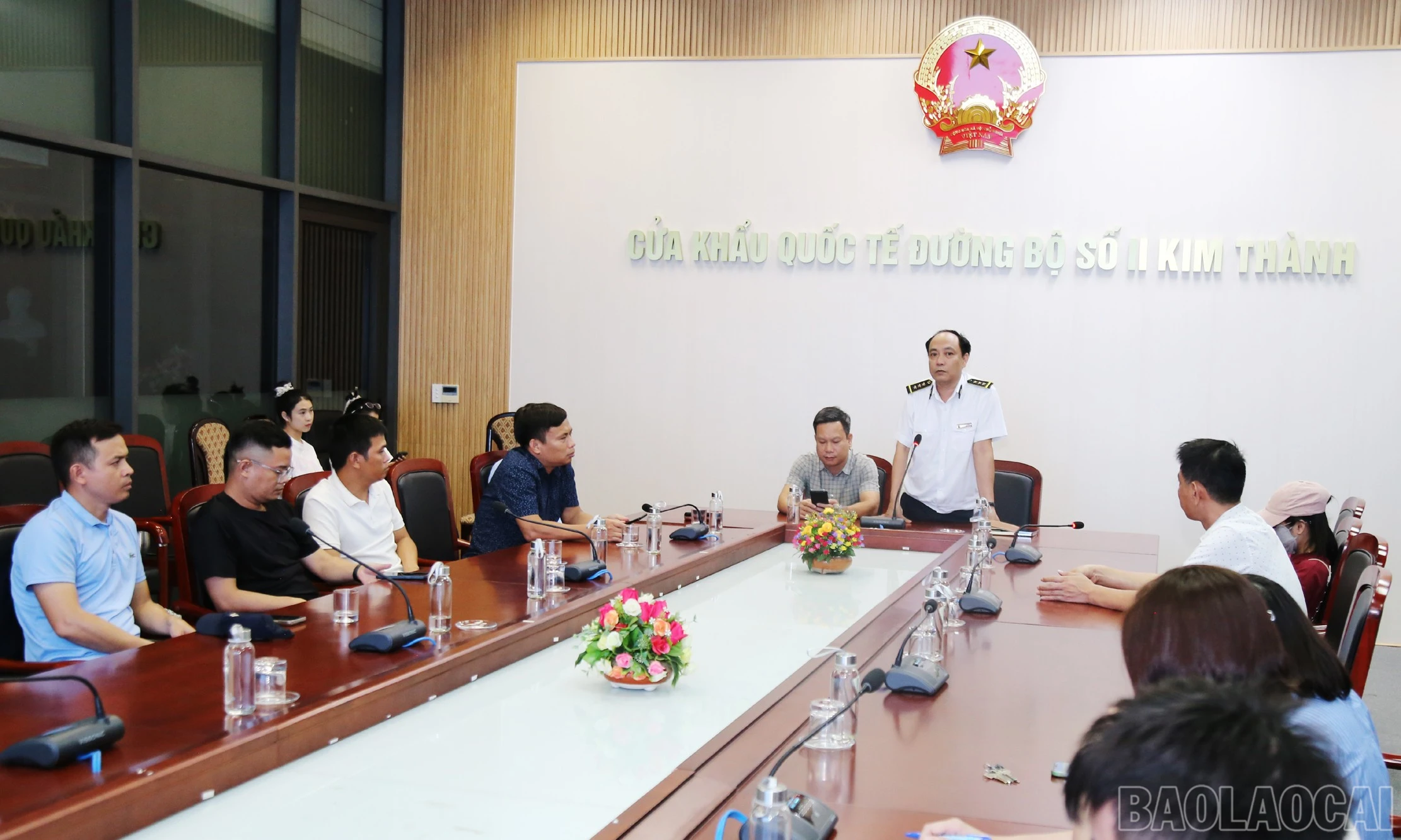
On the morning of 10 March 2026 in Ha Noi, under the project “Accelerating the Circular Economy for Businesses” (ACE-Biz), funded by the Embassy of the Kingdom of the Netherlands in Viet Nam, the Department of Innovation, Green Transition and Industrial Promotion under the Ministry of Industry and Trade (MOIT), in coordination with the United Nations Development Programme (UNDP), convened a training course on circular economy and sustainable consumption and production. The activity aims to strengthen awareness and promote the adoption of sustainable development models in practice.
The training was designed to provide information, knowledge, and a stronger understanding of circular economy approaches and sustainable consumption and production for government agencies, research institutes, universities, consultancies, and relevant organisations. Through this, the programme contributes to advancing models that promote efficient resource use, waste reduction, and progress towards green growth.
The event welcomed participants from the Embassy of the Kingdom of the Netherlands in Viet Nam, representatives of relevant ministries and agencies, and a wide range of corporations, organisations, units, and domestic and international experts who shared experiences on circular economy and sustainable consumption and production.
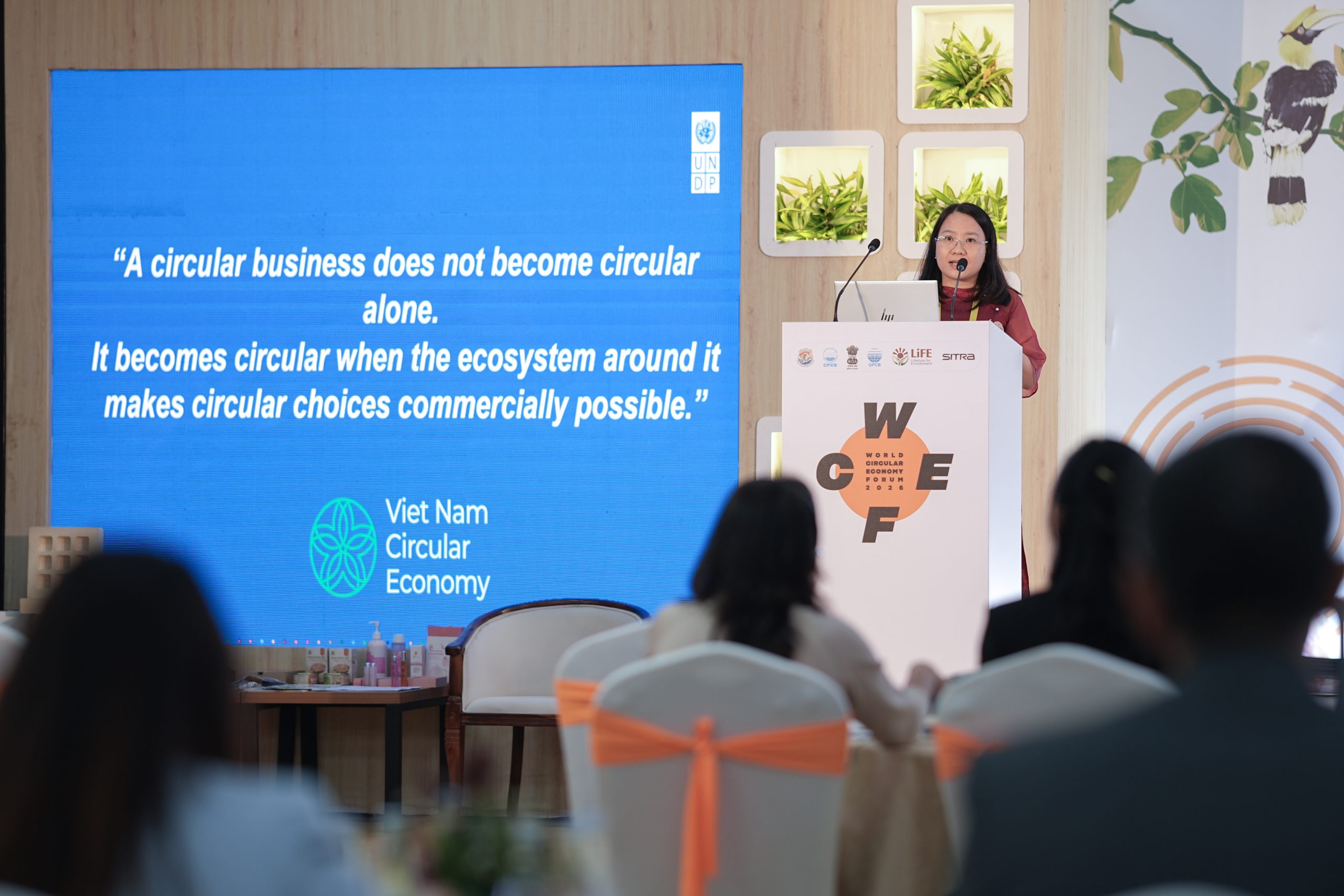
Delivering the opening remarks, Ms. Nguyen Thi Lam Giang, Director General of the Department of Innovation, Green Transition and Industrial Promotion (MOIT), noted that as Viet Nam’s economy continues to recover and strives for high growth targets, the industry and trade sector is strengthening solutions to advance sustainable production, the circular economy, and energy efficiency.
“National programmes on sustainable consumption and production for the 2021–2030 period, as well as the national programme on economical and efficient use of energy, are being implemented in a coordinated manner by the Ministry of Industry and Trade together with other ministries and sectors. Through these programmes, we aim to promote economic growth while protecting the environment, and gradually transition towards a green economy and circular economy,” Ms. Lam Giang emphasised.
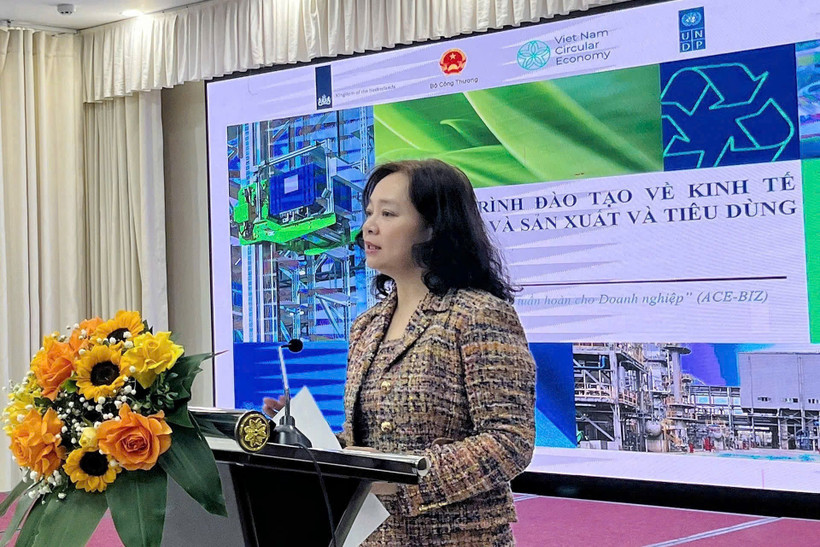
Ms. Nguyen Thi Lam Giang, Director General of the Department of Innovation, Green Transition and Industrial Promotion (MOIT) giving welcoming remarks
According to Ms. Nguyen Thi Lam Giang, efforts to promote sustainable, environmentally friendly production and circular economy practices in the industry and trade sector have delivered positive results in recent years, with several areas recording strong growth.
“This is an important foundation for us to continue implementing national action programmes on sustainable development and economical and efficient use of energy. It will also help accelerate Viet Nam’s transition towards a green economy and a circular economy in the coming period,” she said.
Representing the Netherlands, Ms. Saskia de Smidt from the Embassy of the Kingdom of the Netherlands in Viet Nam shared that the Netherlands has consistently regarded the circular economy as a strategic direction for sustainable development. Through the ACE-Biz project, the Netherlands seeks to strengthen cooperation with Viet Nam by sharing experience, supporting capacity building, and promoting circular economy initiatives both in the business community and in public governance.


Advancing sustainable consumption and production
Speaking at the programme, Dr. Do Thu Nga, representing the Institute for Ecology and Environment (EEI), highlighted the role and benefits of sustainable consumption and production in today’s development context. She noted that transitioning to more environmentally friendly production and consumption models can help improve resource efficiency, reduce emissions, and unlock long-term opportunities for sustainable economic development in Viet Nam. In parallel, the circular economy is considered a critical approach for Viet Nam to respond to new requirements on green growth and sustainable development.
A key focus of Dr. Do Thu Nga’s presentation was the “9R” model, a circular economy framework aimed at extending product lifecycles and minimising waste. Applying the 9R principles can support the shift from a linear economy to a circular economy, thereby improving resource efficiency, reducing waste generation, and contributing to sustainable development goals.
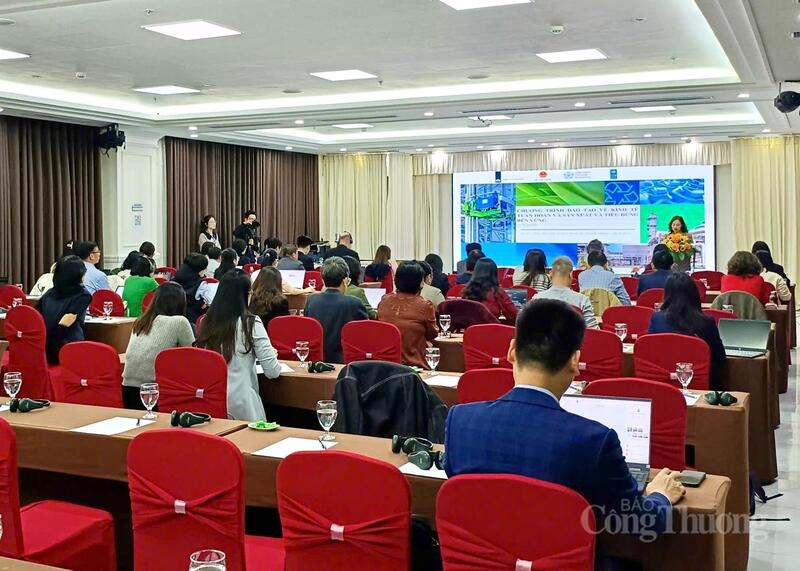
An overview of the training program on circular economy and sustainable production and consumption for government officials, research institutions
Echoing this perspective, Mr. Cu Huy Quang, Head of the Division of Energy Efficiency and Green Transition (Department of Innovation, Green Transition and Industrial Promotion, MOIT), presented an overview of Viet Nam’s policy framework, regulations, and national standards related to sustainable development and green standards.
Mr. Cu Huy Quang noted that in recent years, Viet Nam has gradually strengthened its legal framework to promote green production, efficient energy use, and circular economy development. National policies and programmes on sustainable consumption and production, economical and efficient use of energy, together with sets of green standards, are being rolled out to guide enterprises towards more environmentally friendly development models, enhance competitiveness, and meet evolving requirements of international markets.
The 9R model includes: Refuse (avoid harmful products), Rethink (reconsider production and consumption patterns), Reduce (reduce resource use and waste), Reuse (use products multiple times), Repair (fix to extend lifespan), Refurbish (restore old products), Remanufacture (remanufacture from used parts), Repurpose (change the product’s use), and Recycle (recycle into new materials).
Source: Cong Thuong News