








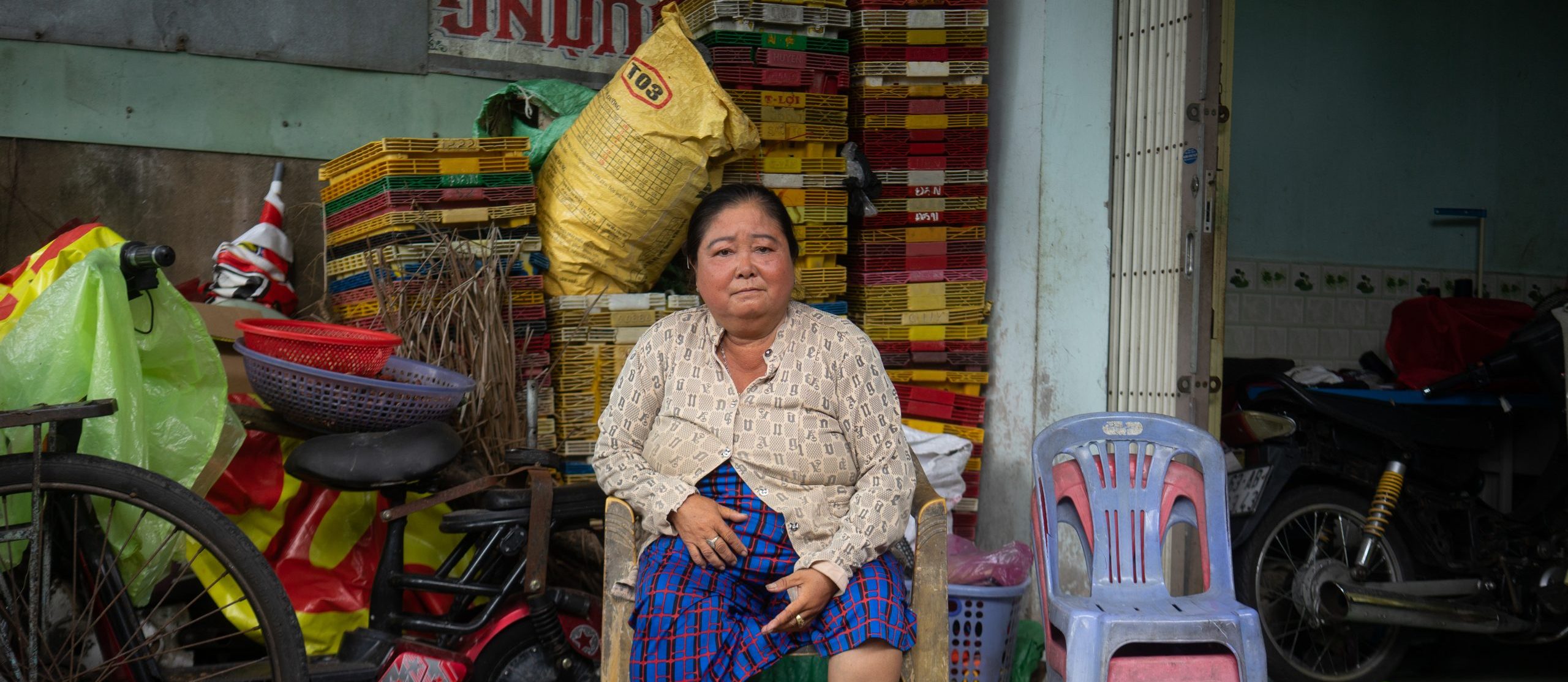
Photo 1: Nguyen Thi Nhan in her house in My Tho, where she stored recycled materials waiting for purchase
At around seven each morning, after preparing food for her two grandchildren, Nguyễn Thị Nhạn begins another day on the streets of Mỹ Tho.
Pushing her cart along familiar roads, she calls out to households and small businesses:
“Does anyone have scrap metal to sell?” (Ai sắt vụn nhựa hỏng bán không?)
Some days, people telephone her before she reaches their neighbourhood. Others save their recyclable materials until she passes by. After more than 20 years in the trade, Nhạn has built a network of regular sellers who know her as a friendly and dependable collector.
Her working day has no fixed ending. She may return home at five in the afternoon, only to go out again when someone calls at eight or nine in the evening. She collects almost everything that can be sold or recycled, including paper, plastic, iron, copper and other metals. At home, she sorts the materials and stores them until there is enough to sell to a local junk shop.
Her work helps paper, plastic and metal return to the recycling chain rather than being discarded on the streets. Yet, like many informal waste workers, Nhạn carries out this essential work without stable earnings, employment protection or access to affordable financing.
For Nhạn, however, collecting recyclables is about more than earning a living. It is the work that enabled her to raise her children, and it is now helping her care for the next generation.
We spoke with Nhạn about how she entered the sector, the skills she has gained, the challenges she faces and what she hopes for her family’s future.
How did your journey as a recyclable waste collector begin?
Before collecting recyclables, I worked at a fishing port. Later, there was a disease outbreak affecting the fish, and there was less work available.
No one introduced me to waste collection. My older sister was buying and selling recyclable materials, so I started by helping her. After working with her for some time, I became familiar with the job. I learned how to buy materials, sort them and sell them to junk shops.
For a while, I did both jobs. When there was work at the fishing port, I worked there. When there was no work, I went out to collect recyclables. Eventually, collecting recyclables became my full-time occupation.
I have now been doing this work for more than 20 years.
When I first started, I did not have regular customers. I went around different streets asking whether people had recyclable materials to sell. After many years, people became familiar with me. Now, some households call me when they have accumulated enough materials.
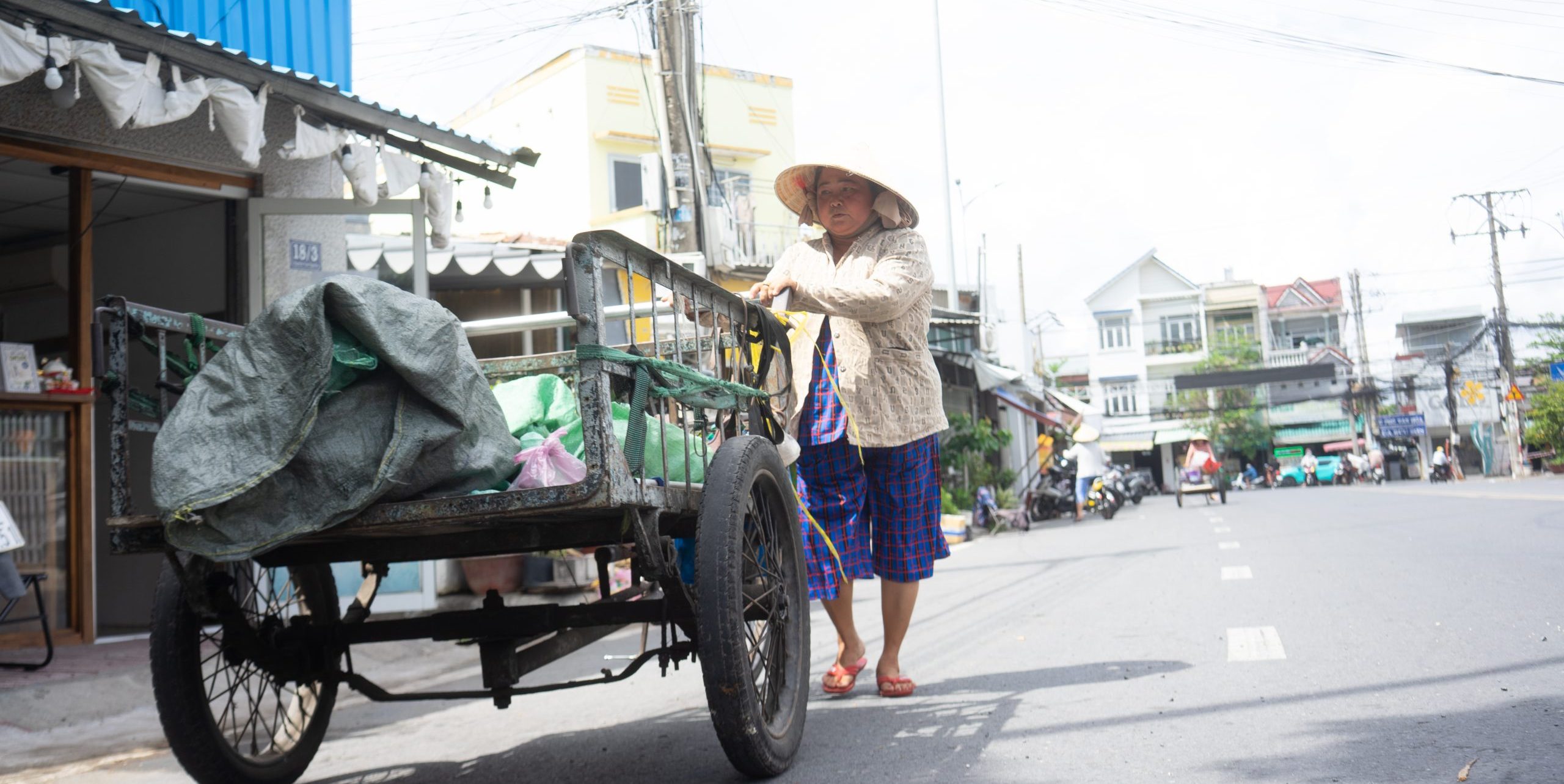
Photo 2: Ms. Nhan with her cart, which she uses every day for her work around the region
How does the weather affect your work?
I usually collect more during the dry season. When it rains, fewer people call to sell recyclable materials. People say that the materials are wet or dirty, so they do not want to bring them out.
I always carry a raincoat. But when the materials on my cart start getting wet, I sometimes use the raincoat to cover them instead of covering myself.
I am not afraid of getting wet. I am more worried about the materials.
Paper is especially difficult. If it becomes wet, I have to bring it home and dry it before I can sell it. Wet materials can become heavier, damaged or unacceptable to the junk shop.
When the rain becomes too heavy, I sometimes travel for a while and then return home because there is little to collect.
What support would help most?
VECA’s training on occupational safety and Duy Tan also gave me protective cloth, including gloves and clothing, which has helped me work more carefully. They are also helping me to access a low-interest loan. Affordable financing would give me enough capital to keep buying materials when prices fall and to repair or replace my cart when needed. I hope to access a suitable microfinance loan that does not require a mortgage or charge unaffordable interest.
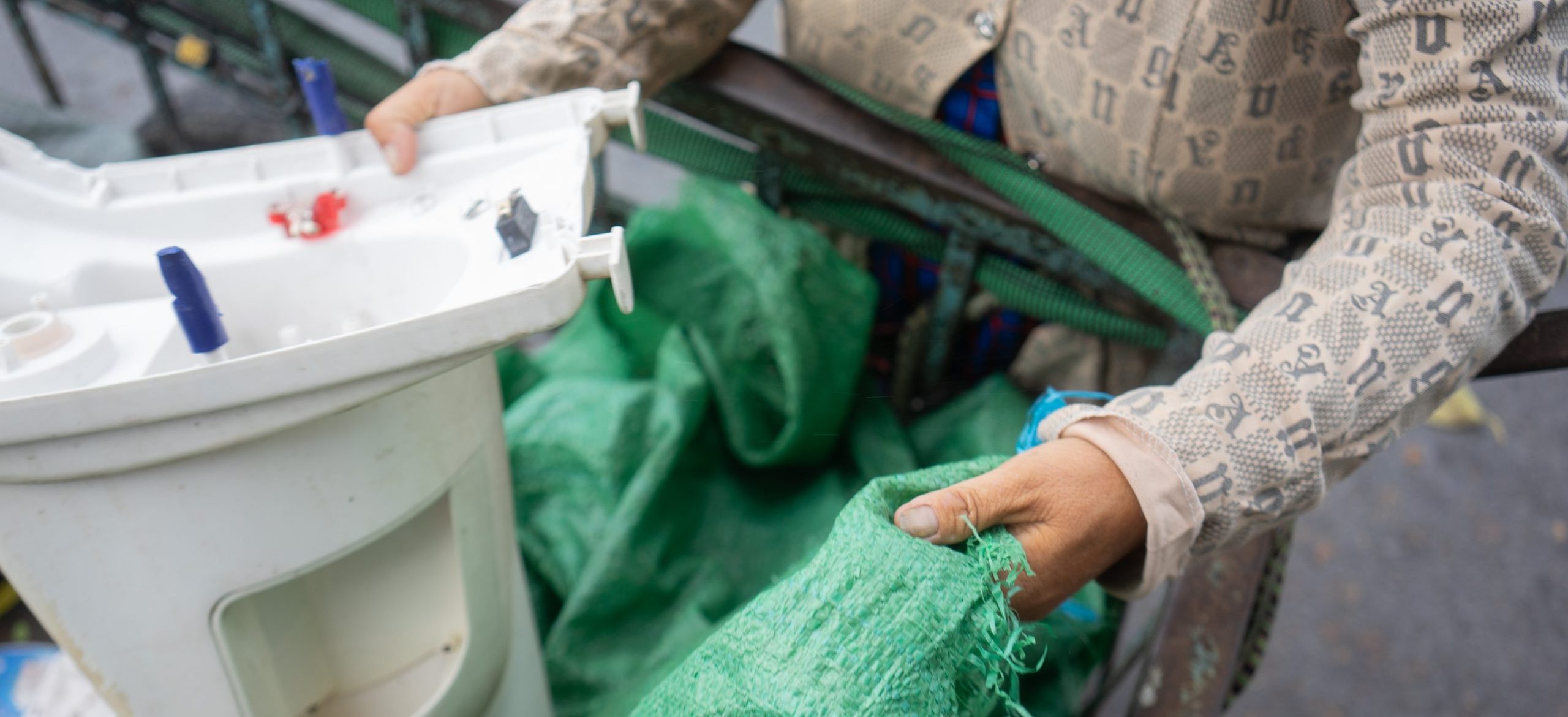
Photo 3: Nhan sorting the materials she collected
How has this work supported your family?
In the past, I collected recyclables to raise my children. Now, I continue working to support my two grandchildren.
Their mother left when the younger child was only one month old. I have had to work and care for them. Sometimes, the children accompany her on collection rounds because no one is available to look after them at home. “People ask why I take them outside in the hot sun,” she says. “But sometimes I have no choice.”
Their father experienced the same thing when he was young. When my son was about two years old, I could not afford to send him to kindergarten. I placed him in a seat attached to the back of my bicycle and took him with me while I collected recyclables.
When I collected too much to carry, I left him with a household I knew, went to sell the materials and then returned to pick him up.
My son had a difficult childhood because our family had very little money.
“In the past, I worked for my children. Now, I work for my grandchildren.”
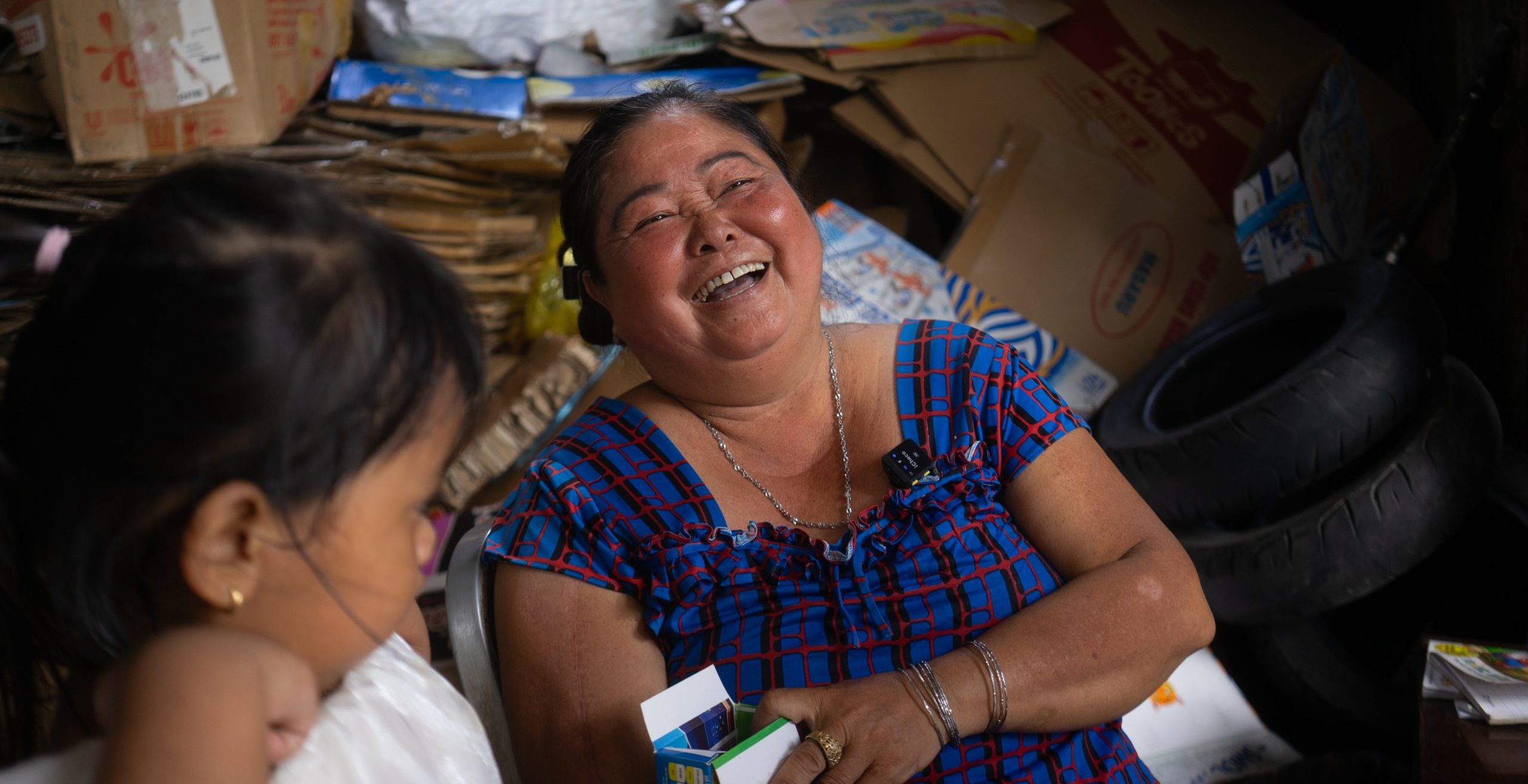
Photo 4: Ms. Nhan with her first grandchildren
Essential work, uncertain conditions
Every day, informal waste workers like Nhạn connect households with junk shops and recycling businesses. They understand local collection routes, recognise valuable materials and maintain relationships built over many years. Their labour prevents waste from being discarded and helps return these resources to production and recycling systems.
Yet their contribution is often made under uncertain conditions, with fluctuating prices, limited social protection, occupational hazards and restricted access to finance.
Nhạn is one of approximately 2,000 informal waste workers in the recycling chain who received capacity-building and livelihood support in 2025 through benefit packages including health insurance, facility upgrades, occupational safety training, and access to preferential loans under the Responsible Sourcing Initiative (RSI), implemented in Viet Nam by UNDP, with the cooperation of DUY TAN Recycling and other technical partners: VECA, GreenU.
In 2026, the RSI aims to support +5,000 informal waste workers across the plastic recycling value chain by strengthening social protection and improving livelihoods.
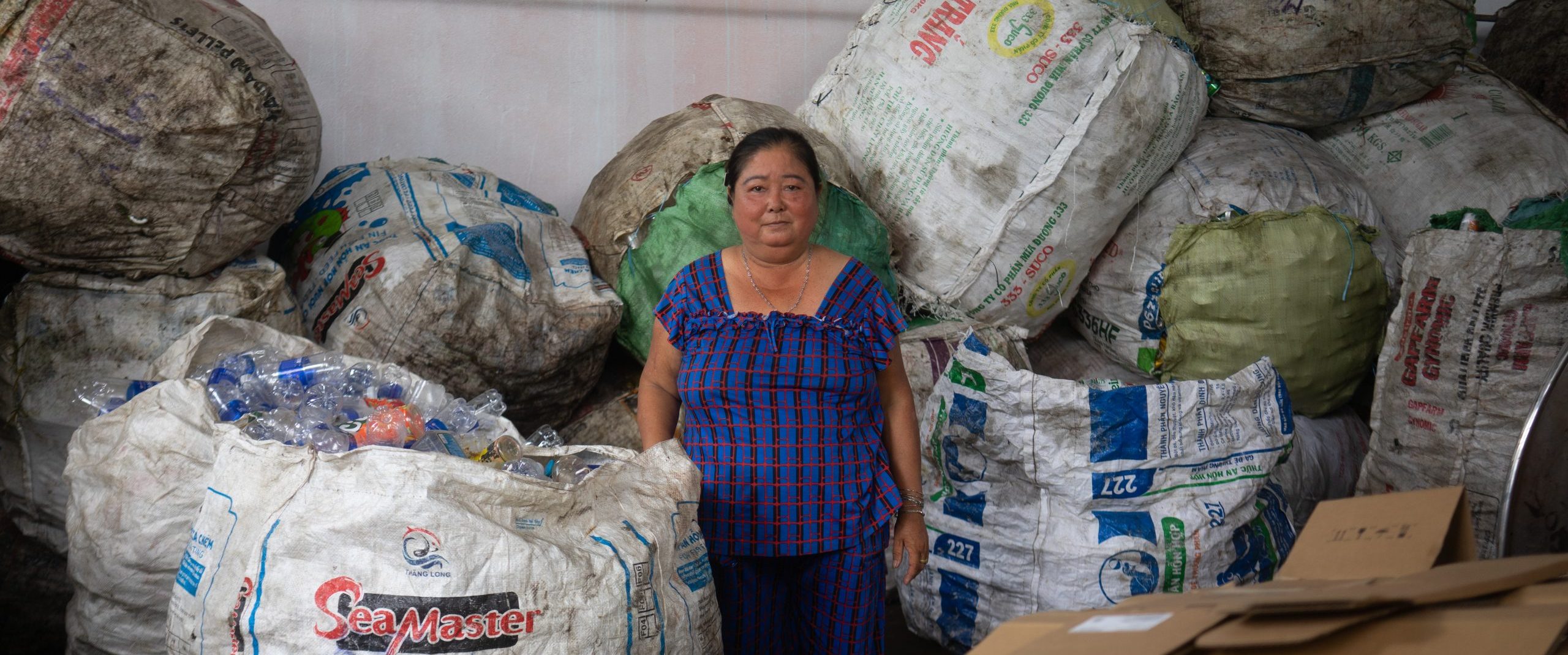
Photo 5: Nhan in the junk shop where she often sells collected materials