











Green Agriculture and Circular Economy: Significant Transformation
Excerpt from an interview with Mr. Tran Duc Thang, Minister of Agriculture and Environment, with VNEconomy newspaper:
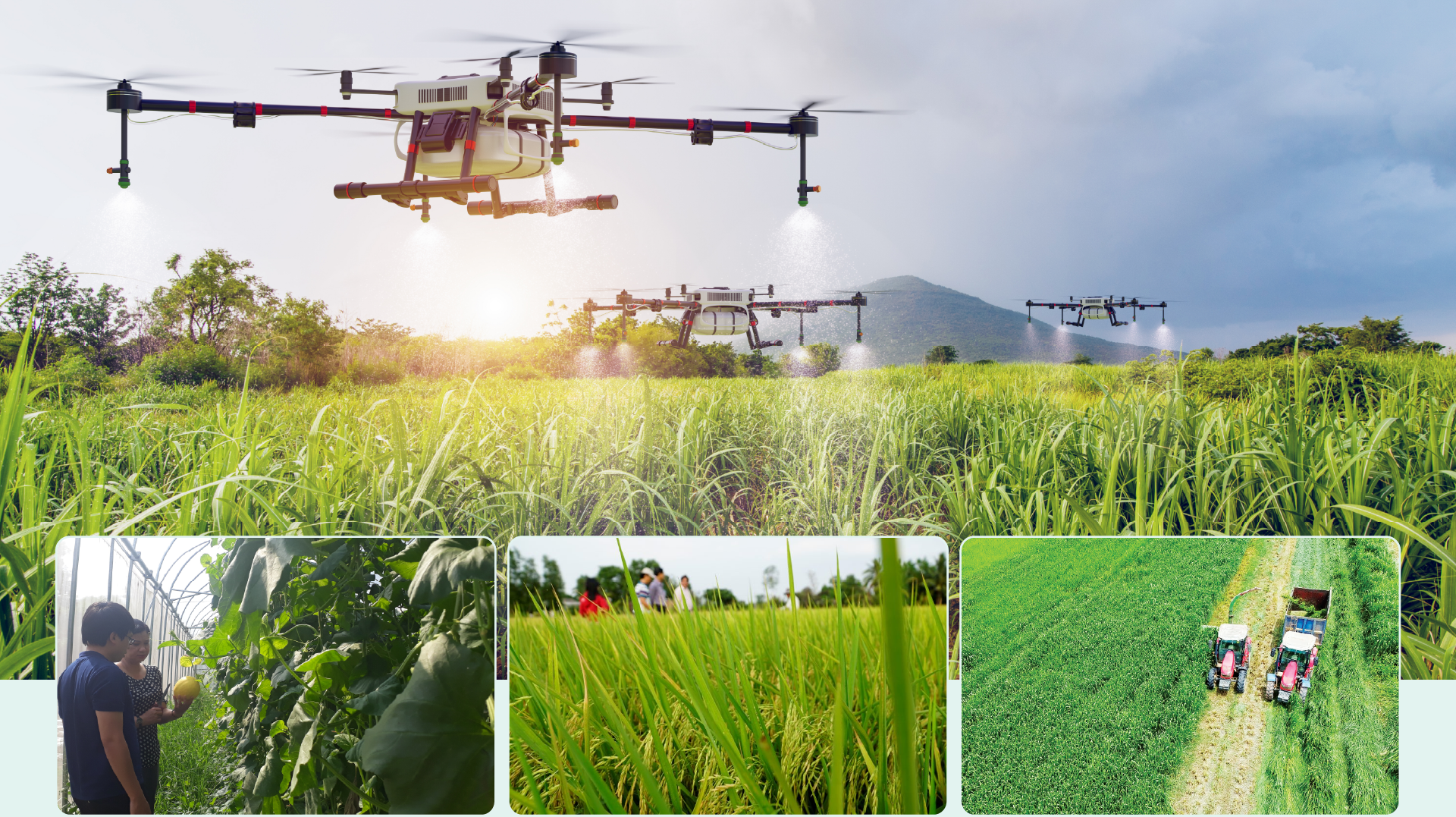
A prominent highlight is the strong shift towards green agriculture and the circular economy. The Minister was asked about the most specific and substantial changes in green agriculture and the circular economy in recent times.
In recent times, the implementation of green agriculture and the circular economy has seen significant changes, which can be summarized in three major aspects: from mindset and production models to management methods.
Firstly, there has been a strong shift in thinking and institutions for green development. Requirements for ecological agriculture, the circular economy, and emission reduction have been increasingly integrated into strategies, plans, programs, and the industry’s standards and regulations. Importantly, we are no longer approaching the environment in a passive way, dealing with pollution only after it occurs, but proactively orienting towards green production right from the planning and implementation stages.
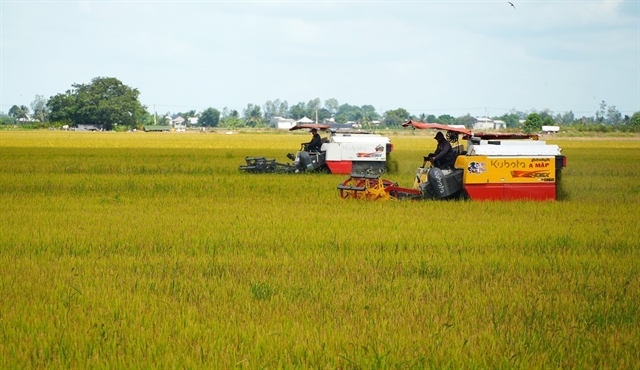
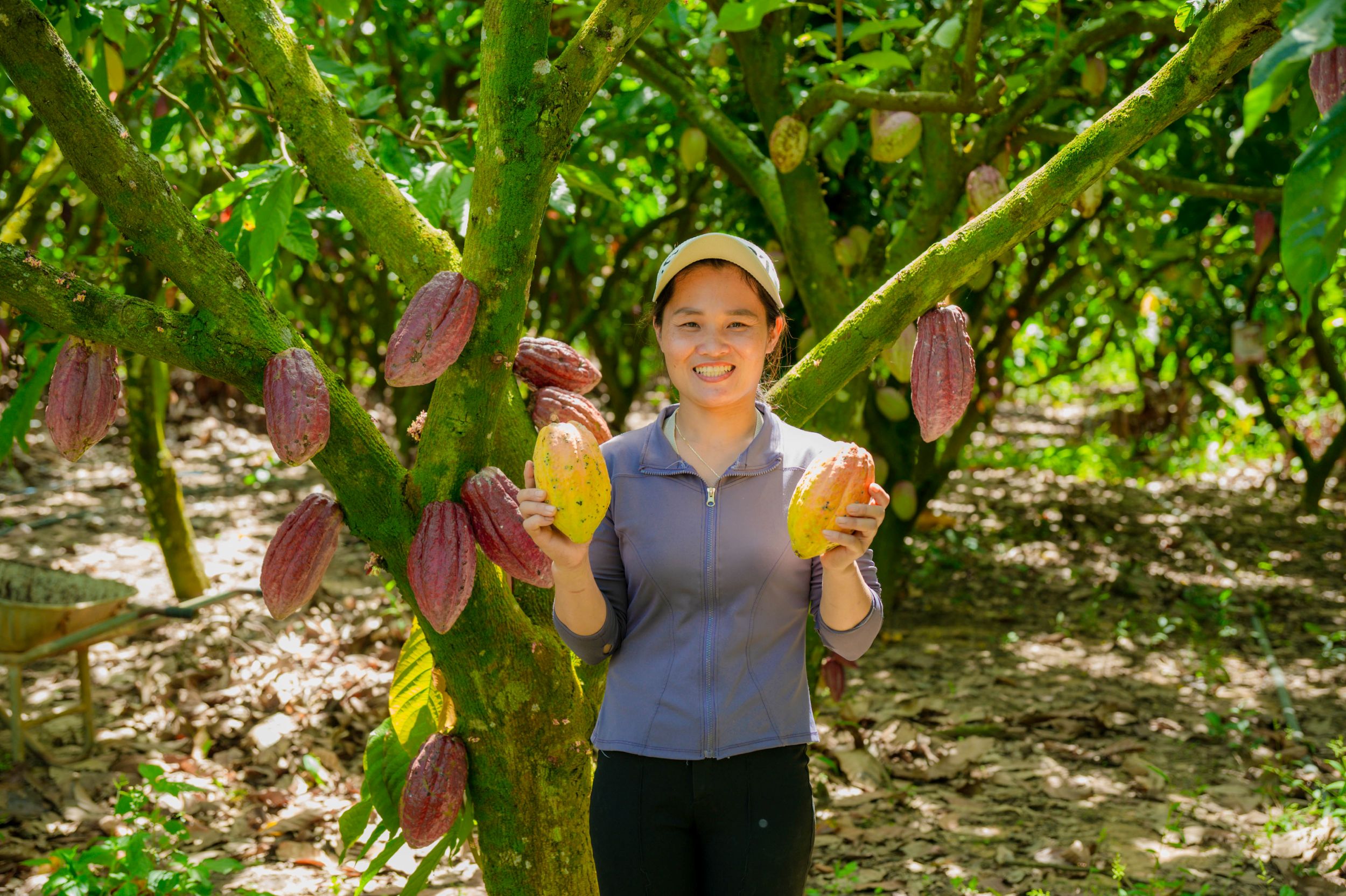
Secondly, shifting production models towards green and circular approaches in key agricultural sectors is crucial. In crop production, forestry, fisheries, and rural development, many resource-saving models, reduced chemical input usage, reuse of by-products, and linkages between production, processing, and markets have been implemented and replicated. These models not only contribute to ecosystem protection and emission reduction but also help increase added value, improve income, and enhance livelihoods for farmers.
Thirdly, promoting the application of science, technology, and digital transformation is essential. Digital technology, big data, remote sensing, traceability, and smart farming solutions are increasingly being applied in production, resource, and environmental management. These are key tools for optimizing inputs and outputs, measuring and controlling emissions, gradually closing the product lifecycle, and realizing a circular economy in agriculture.
A significant milestone is the official launch of the Vietnamese Agricultural Product Traceability System at the end of 2025. This is not only a technological solution but also a modern management tool, contributing to increased transparency, protecting consumer rights, preventing trade fraud, and enhancing the reputation of Vietnamese agricultural products in the international market.
In the context of deep integration, traceability has become a mandatory requirement for participation in global supply chains, because the value of agricultural products today lies not only in quantity but also in quality, transparency, and responsibility towards the environment and society.
It can be affirmed that green agriculture and the circular economy have moved from orientation to concrete action. In the coming time, the Ministry will continue to improve the institutional framework, develop the carbon market and green credit, encourage businesses and farmers to expand green production models, thereby enhancing the competitiveness of Vietnamese agricultural products and gradually realizing the commitment to net zero emissions.
Resource management is playing an increasingly strategic role in sustainable development. What notable achievements has this sector accomplished over the past year, Minister?
2025 is a very special year for resource management, especially in the construction and completion of national databases, with a focus on the national land database. This is a difficult and complex field, directly related to the rights of citizens and businesses, and the effectiveness of state management.
Under tight deadlines, with a huge workload and the adverse impact of natural disasters in many localities, the Ministry of Agriculture and Environment has focused intensely on completing the construction of the data system and successfully implementing the 90-day campaign to enrich and clean up land data nationwide. This is not just a technical campaign, but also a “comprehensive review” aimed at bringing land data to its true state, accurately reflecting the current state of land management and use.
After 90 days of implementation, more than 61 million land parcels nationwide have been reviewed, updated, and corrected; Of these, over 24 million land parcels meet the criteria of being “accurate, complete, clean, and viable,” meeting the conditions for real-time operation, and are ready for connection, sharing, and common use. Compared to the previous period, data quality has made significant progress, creating a solid foundation for more modern and transparent management.
In parallel with data enrichment, synchronization efforts have also been vigorously implemented to ensure that data is truly “viable, clean, unified, and for common use.” To date, 100% of provinces and cities have synchronized land data with the central government, covering over 61 million land parcels, equivalent to approximately 98% of the total number of land parcels in the local data system; of which more than 24 million parcels have complete information blocks, ready for exploitation and sharing.
These results reflect the very high political determination of the leaders, the synchronized involvement of ministries, sectors, and localities, and the close cooperation throughout the entire system. More importantly, this is a core data platform serving socio-economic development, enabling more efficient and transparent resource management, and strongly promoting the national digital transformation process.
Full interview is attached here.