









Associate Professor Pham Anh Tuan, Director of the Institute of Agricultural Mechanization and Post-Harvest Technology, pointed out that if preservation technology is improved, the storage time of agricultural products can be extended by 1.5-2 times, creating conditions for many goods to be transported by sea instead of relying on air transport.
This is especially important for fresh products such as fruits, vegetables, or seafood. When the storage time is extended, logistics costs can be significantly reduced, while expanding the possibility of exporting to distant markets such as Europe or North America.

Associate Professor Pham Anh Tuan, Director of the Institute of Agricultural Mechanization and Post-Harvest Technology. Photo: Bao Thang.
This assessment was made in a presentation on the development direction of preservation and processing technologies for agricultural, forestry, and aquatic products at the Conference summarizing the work on quality management, food safety, processing, and market development.
According to Mr. Tuan, Vietnamese agriculture is shifting from the goal of increasing production to growth based on quality, value, and sustainability, in which preservation and processing technology has become a key link in the value chain.
In reality, post-harvest losses in many sectors remain high. Vegetables and fruits can lose 20-30% of their output, aquatic products about 15-25%, and rice about 13-15%.
The main reason is that agricultural production is still small-scale and fragmented, while post-harvest preservation infrastructure has not been invested in comprehensively. In particular, the cold chain supply system – a crucial factor for many fresh products – is still lacking and not evenly developed across production regions.
Furthermore, the rate of businesses investing in technological innovation in processing remains limited. Many agricultural products are still exported as raw materials or semi-processed products, resulting in low added value and limited competitiveness.
In the context of importing markets increasingly imposing stricter standards on quality, traceability, and carbon footprint, the development of preservation and deep processing technologies is becoming more urgent.
One of the priority directions is to build a smart cold chain supply capable of controlling the microclimate throughout the preservation and transportation process. New technologies such as functional packaging, bio-materials, or real-time monitoring systems for storage conditions are being researched and applied to extend storage time while maintaining product quality.
Besides preservation, the agricultural sector is also strongly shifting towards deep processing, instead of primarily focusing on semi-processing as is currently the case. Technologies for extracting and obtaining bioactive compounds from agricultural products and by-products, such as polyphenols, proteins, cellulose, or antioxidants, can create high-value products for the food, pharmaceutical, or cosmetic industries.

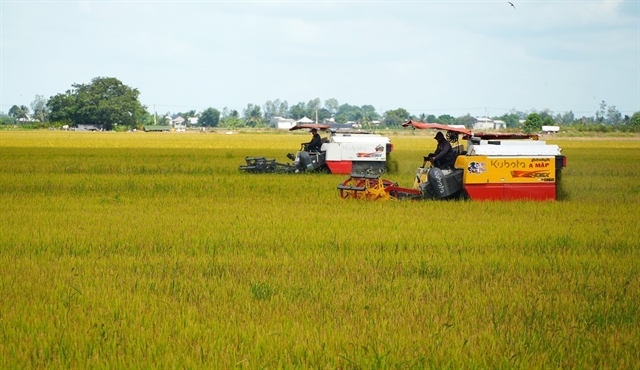
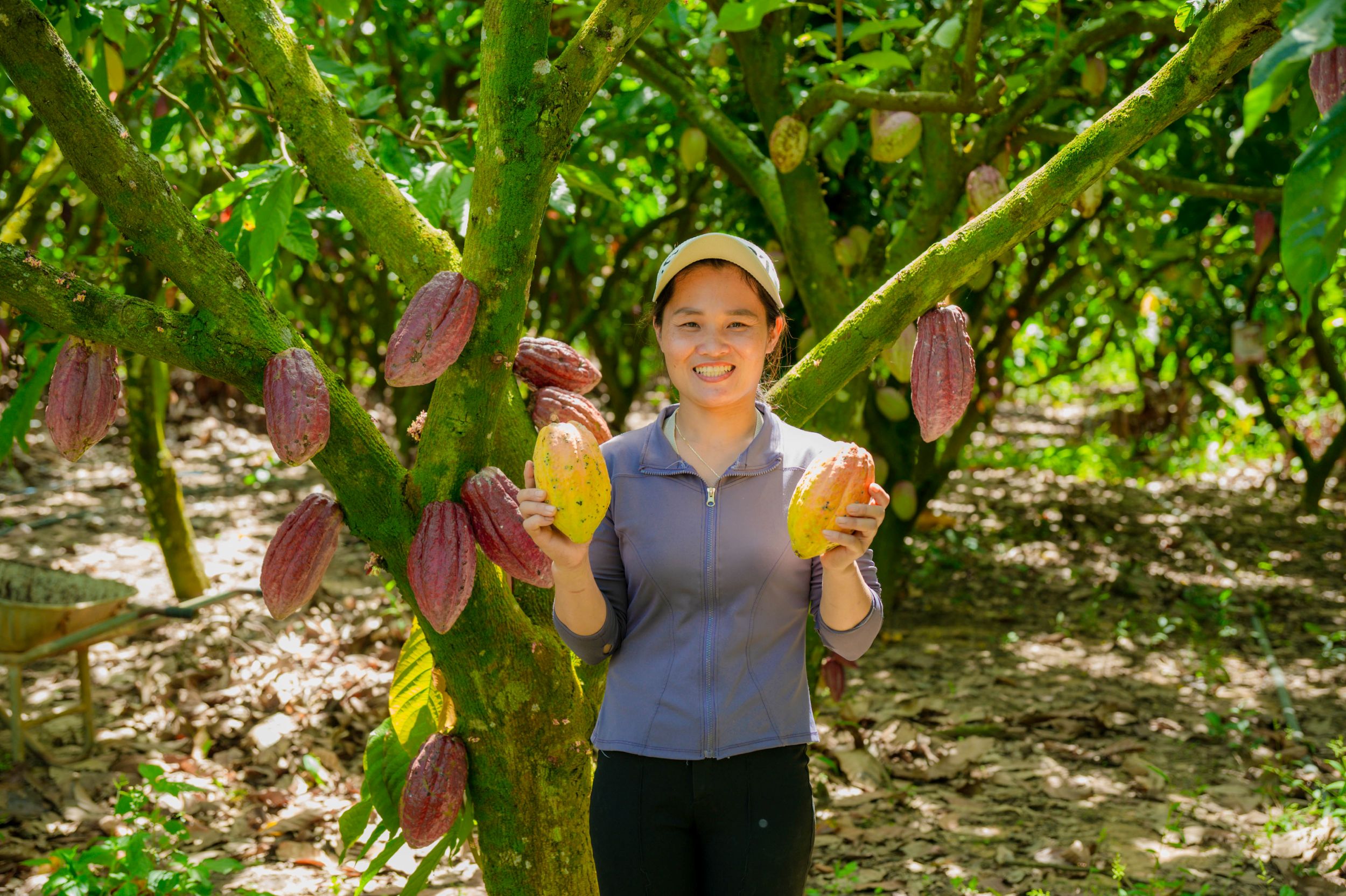
Cold storage and logistics are essential tools for Vietnamese agricultural products right now to increase their value. (Illustrative image)
Vietnam currently possesses a vast source of agricultural by-products. According to research and statistics, the agricultural sector generates approximately 156.8 million tons of by-products annually, with the majority coming from crop cultivation and livestock farming.
If effectively utilized, these by-products can be processed into various new products such as functional foods, biomaterials, animal feed, or organic fertilizers. This is also a crucial direction for developing a circular economy in agriculture, while simultaneously reducing emissions and maximizing biomass resources.
Associate Professor Pham Anh Tuan believes that technological innovation in preservation and processing not only helps reduce losses but also creates significant potential for increasing the value of agricultural products. “The demand for increased added value and reduced post-harvest losses is becoming a direct driving force behind technological innovation in agriculture,” he stated.
In the context of increasingly competitive global agricultural trade and ever-higher market standards, extending the shelf life of agricultural products through preservation technology is considered a crucial step for Vietnamese agricultural products to access more distant markets and participate more deeply in the global value chain.