





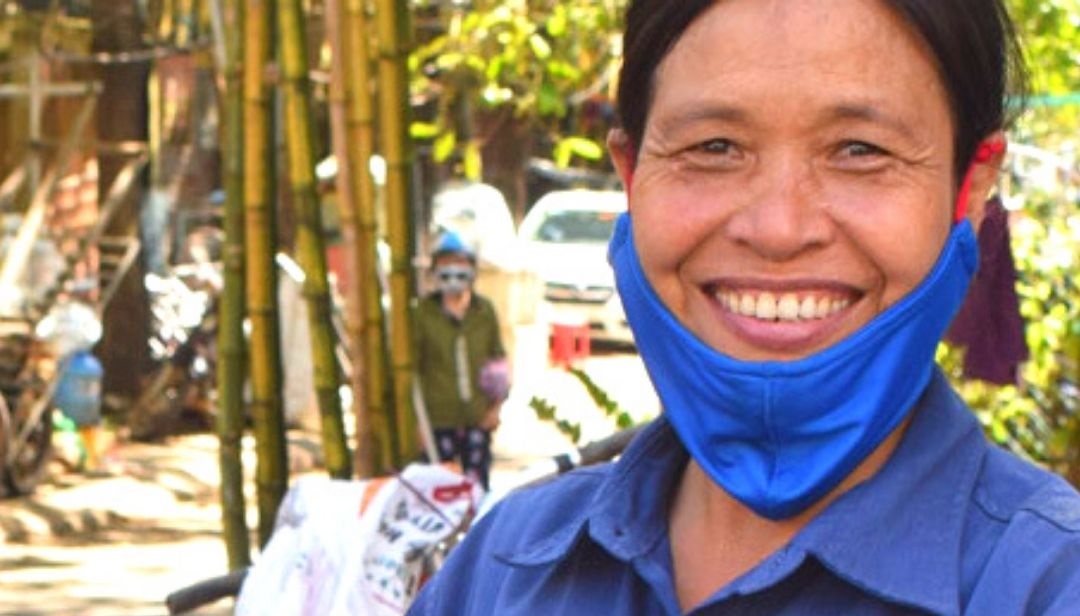



New project will help households sort waste, recover and recycle valuable materials, and co-process waste that cannot be recycled.
Quang Ninh, 30 October 2026 – Quang Ninh is taking a new step towards reducing waste and making better use of valuable resources. A new project will help households sort their waste, increase recycling and explore ways to use non-recyclable waste as an alternative fuel in cement production.
Quang Ninh generated approximately 1,100 tonnes of municipal solid waste per day in 2024. This growing volume is putting pressure on waste collection and treatment services. Some treatment facilities are approaching capacity, while the city’s extensive and diverse geography makes waste management more challenging. Much of the waste still ends up in landfills, and valuable materials are not yet being fully recovered or recycled.
Funded by the Government of Norway and implemented by the United Nations Development Programme (UNDP), the project is titled “Promoting Circular Economy in Integrated Municipal Solid Waste Management through Pilot Co-processing in Cement Kilns in Quang Ninh City.”
The project aims to help Quang Ninh with waste sorting, recycling, particularly it will test co-processing, a method that uses non-recyclable waste as an alternative fuel in cement kilns.
From household sorting to recovery and treatment
The project will support households and local waste collection services in Uong Bi, Yen Tu and Hiep Hoa wards to sort waste at source and collect different types of waste separately.
It will also help establish a facility to sort waste and recover recyclable materials. Suitable waste that cannot be recycled will be tested for co-processing at a cement plant selected by the city.
Beyond these pilot activities, the project will help Quang Ninh develop an integrated waste management plan for 2026–2030. It will also support a roadmap to reduce single-use plastics and develop technical and economic guidelines for co-processing waste in cement kilns.
Speaking at the workshop, Mr. Nguyen Nhu Hanh, Deputy Director of the Quang Ninh Department of Agriculture and Environment emphasised:
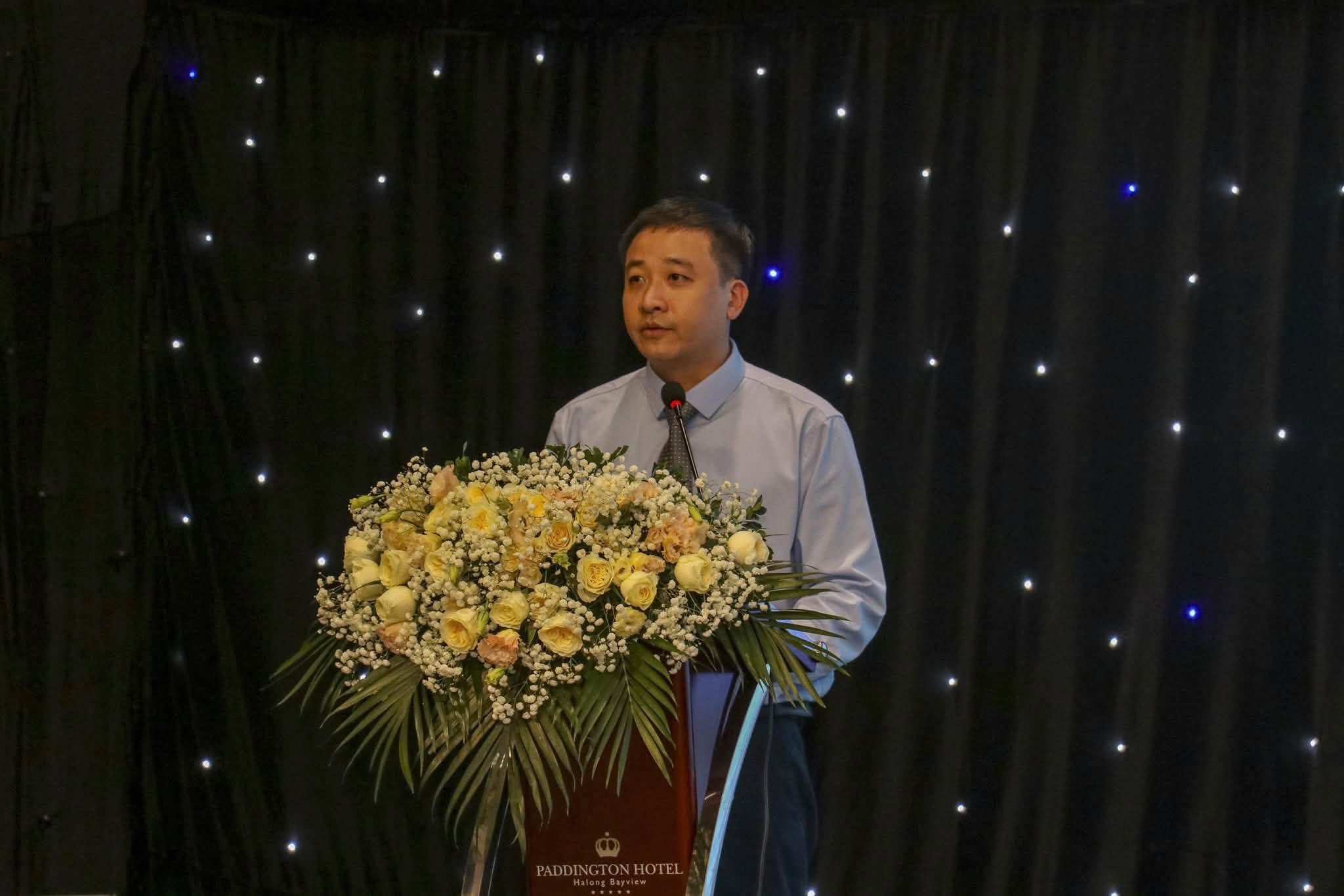
“For waste sorting at source, public support and voluntary participation are fundamental. Therefore, alongside technical solutions, communication, guidance and efforts to make waste sorting convenient and practical for residents should also be given due attention throughout the implementation process.”
Building on practical experience
The project builds on waste management initiatives that UNDP has supported in other parts of Viet Nam.
In Gia Lai, a Material Recovery Facility (MRF), where waste is sorted and recyclable materials are recovered, has collected and recycled approximately 400 tonnes of plastic waste since October 2024. In the Quy Nhon area, 13,000 households have participated in a waste sorting at source programme. In Hung Yen, a pilot initiative co-processed 111 tonnes of non-recyclable plastic waste.
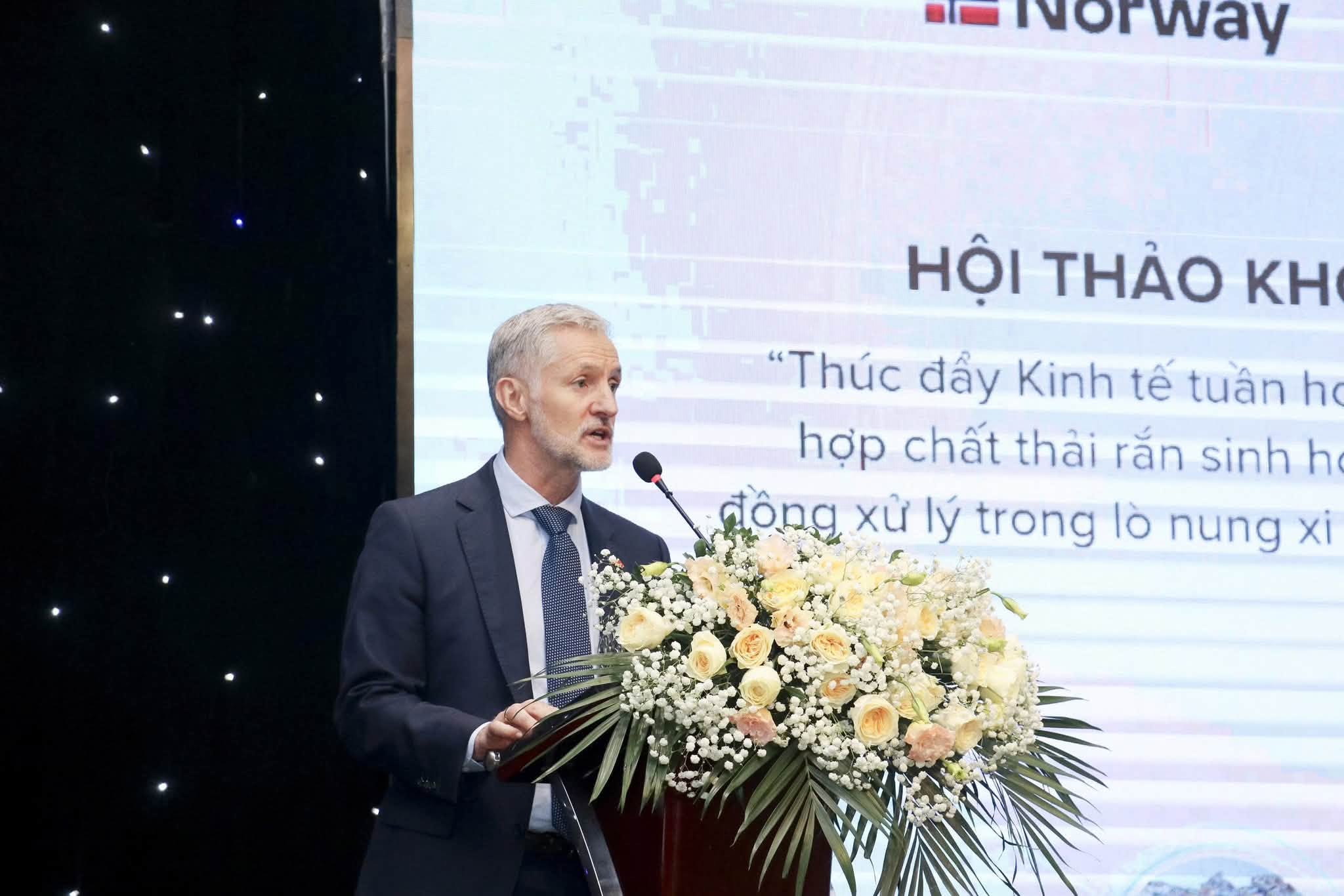
Mr. Stein Iversen, Ambassador of Norway to Viet Nam and Lao PDR, said:
“Co-processing is a Norway’s flagship initiative that fits perfectly with the priority areas under the Green Strategic Partnership signed between Norway and Vietnam in April 2026. Norway is pleased to continue working with UNDP and our partners to promote co-processing as a proven win-win-win solution for the climate, the environment and business. In Quang Ninh, we are working with the cement industry to pilot a MRF for co-processing, with the aim of developing a model that can be replicated and scaled up. We hope the experience from Quang Ninh can contribute to Viet Nam’s broader green transition and demonstrate practical solutions that can be applied more widely.”
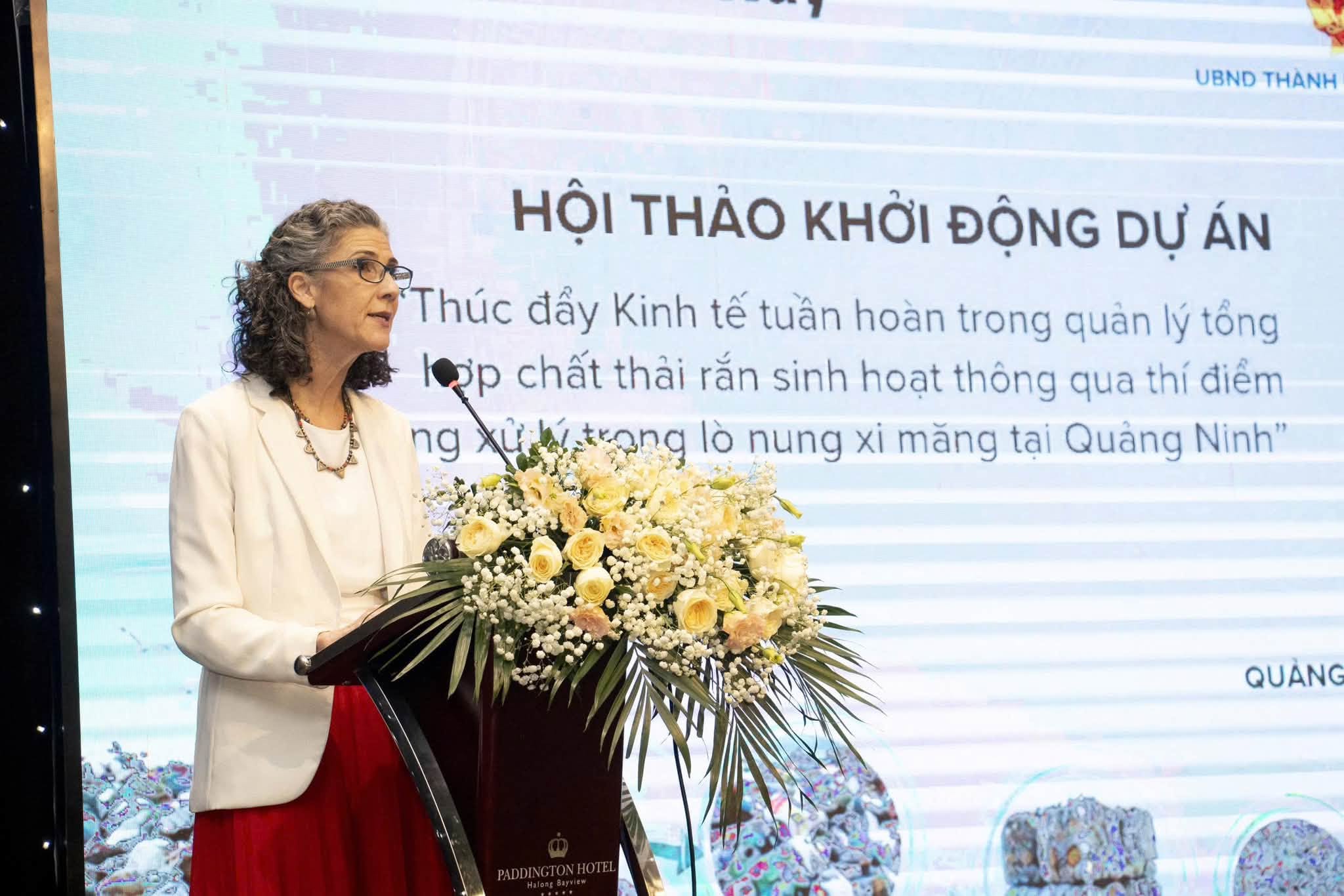
Ms. Ramla Khalidi, UNDP Resident Representative in Viet Nam, emphasised that technology alone will not solve the waste challenge:
“There is no single technological solution to the waste challenge. The starting point is to reduce waste, separate it properly and recover as much material as possible for reuse and recycling. For waste that cannot be recycled, solutions such as co-processing can play a complementary role. What matters is building an integrated system that works in practice for communities, local authorities and businesses, while meeting appropriate environmental and technical standards. If we can demonstrate that system in Quang Ninh, the lessons could be valuable well beyond this project.”
Bringing partners together
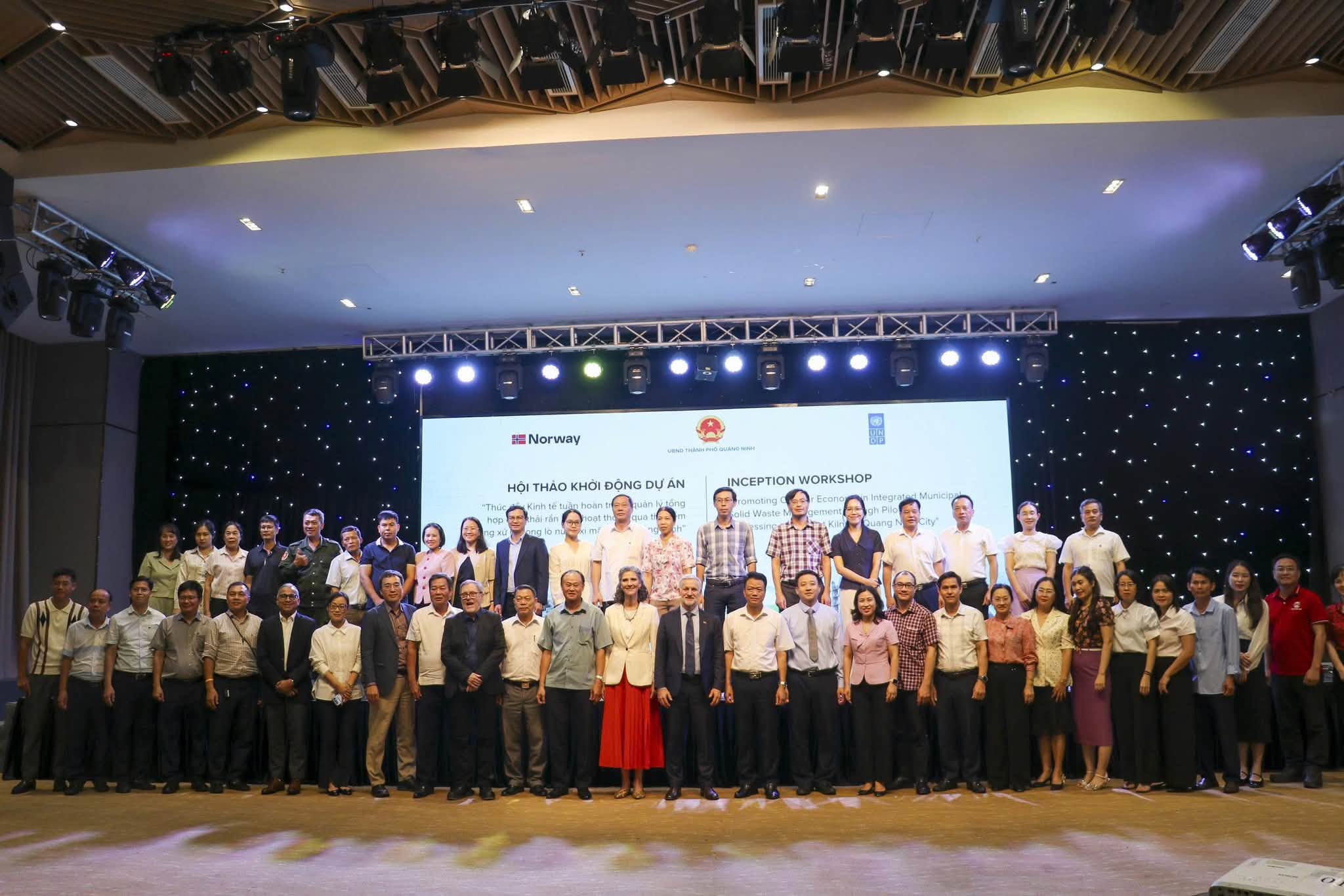
The project was officially launched at an inception workshop in Quang Ninh on 30 October. The event brought together representatives of central ministries, local authorities, international organisations, cement companies, waste collection and treatment businesses, research institutions, technical experts and socio-political organisations.
International experts from Norway’s SINTEF research institute shared experiences from other countries on using suitable waste in cement production. They also presented lessons from Phase 1 of the OPTOCE Project, which explores waste treatment solutions through co-processing. Representatives of the Viet Nam Cement Association discussed opportunities and requirements for applying this approach in Viet Nam’s cement industry.
Participants discussed the policies, technologies, technical standards, financing and business partnerships needed to put these solutions into practice safely and effectively.
The Quang Ninh Department of Agriculture and Environment and UNDP also presented the project’s implementation plan, technical support activities and arrangements for cooperation among partners.
The project is overseen by the Quang Ninh City People’s Committee, with the Quang Ninh Department of Agriculture and Environment as project owner.
For media enquiries
Phan Huong Giang
UNDP Media and Communications Analyst, Climate Change, Energy and Environment
United Nations Development Programme
Email: phan.huong.giang@undp.org
Mobile: 0948466688
Nguyen Thi Kim Thanh
Information and Communications Advisor
Norwegian Embassy in Hanoi
Email: Thi.kim.thanh.nguyen@mfa.no
Mobile: 0904637298