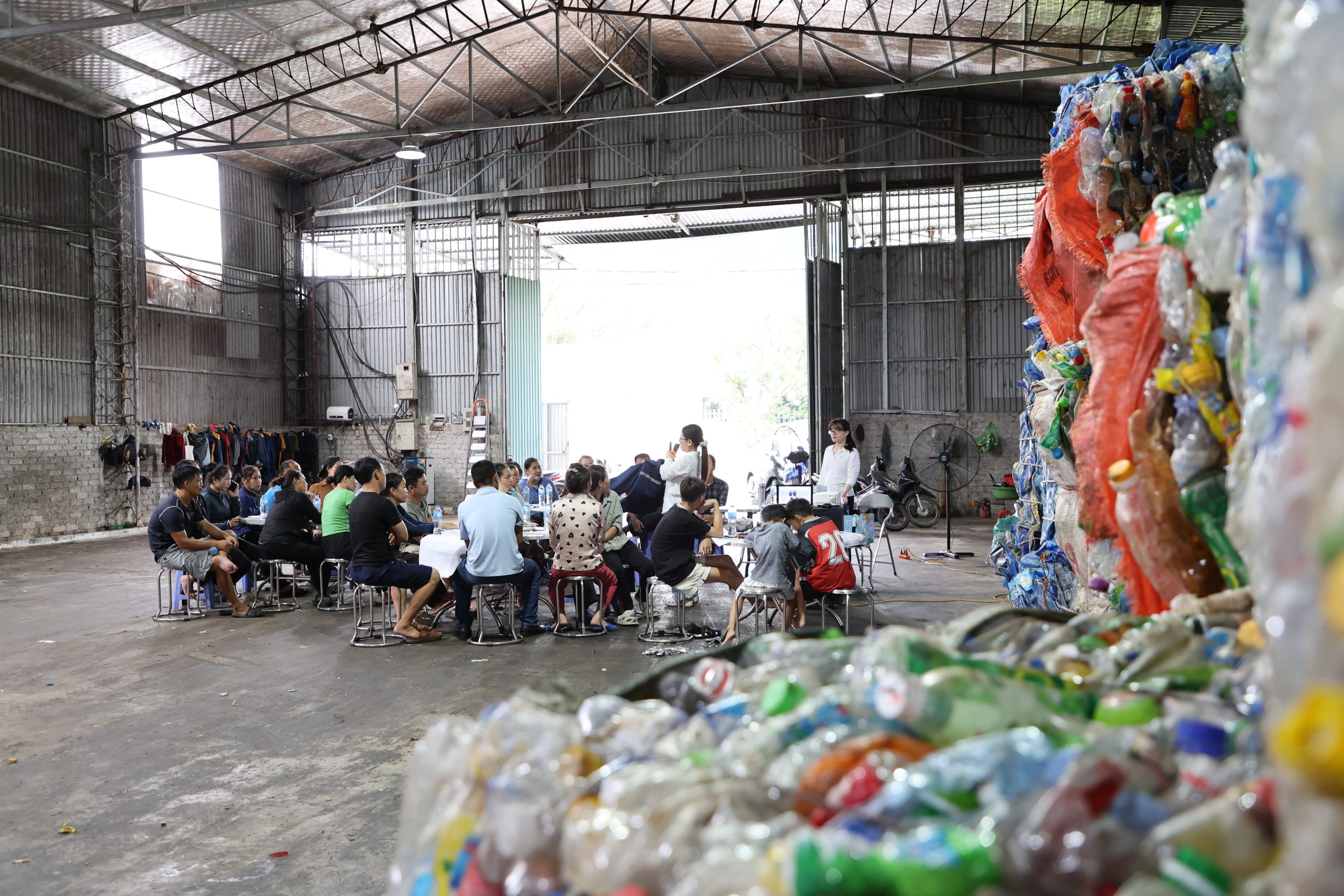







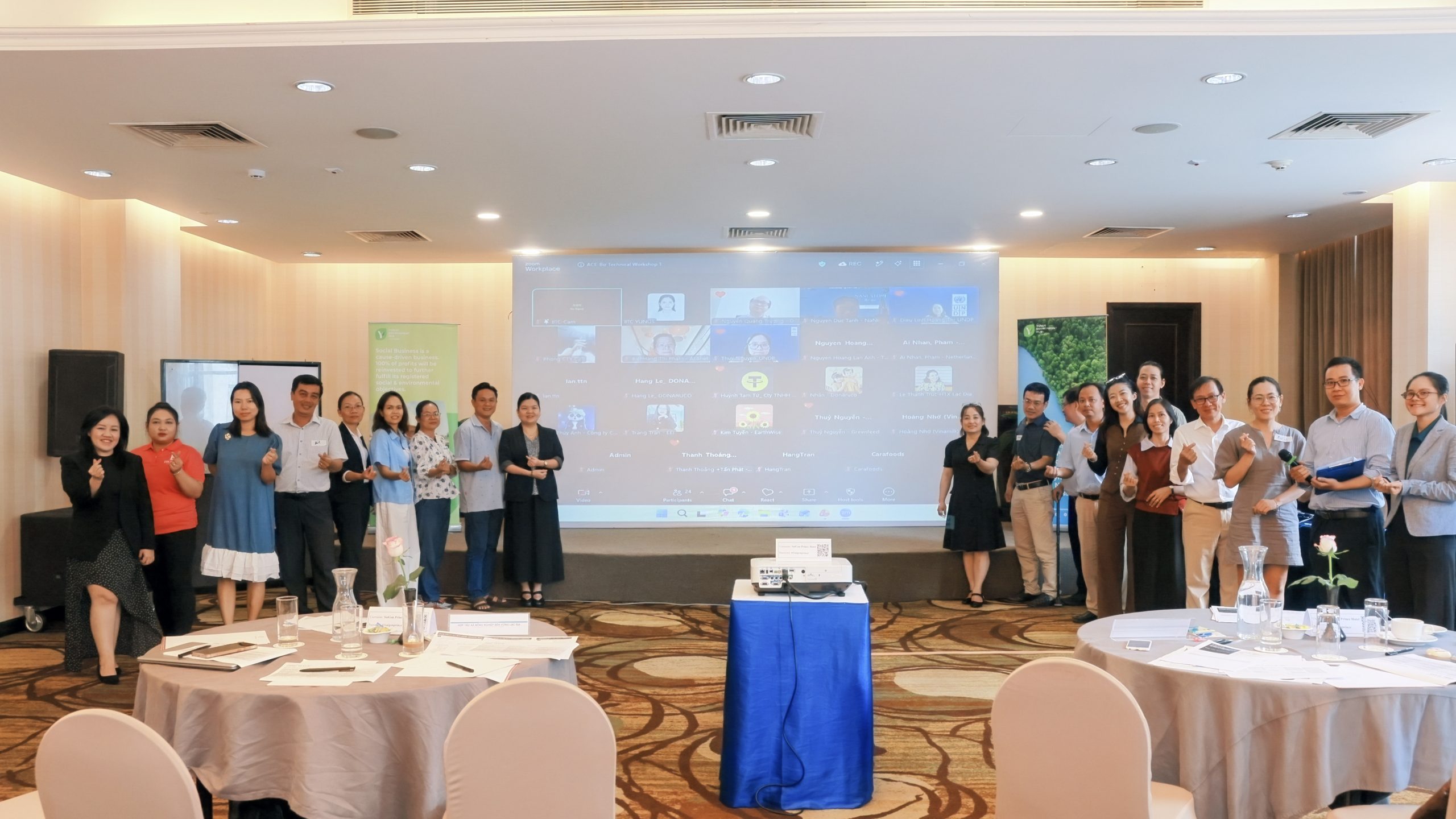
On 5 August 2026, Technical Workshop 1, themed “Developing Circular Business Models,” was held in Ho Chi Minh City in a hybrid format. The workshop brought together nearly 50 participants, including representatives from eight enterprises selected to participate in the Post-Training Support Programme under the “Accelerating Circular Economy for Business” (ACE-Biz) Project.
The ACE-Biz Project is funded by the Government of the Netherlands through the United Nations Development Programme (UNDP) in Viet Nam, in cooperation with the Agency for Innovation, Green Transition and Industry Promotion under the Ministry of Industry and Trade and the Embassy of the Kingdom of the Netherlands in Viet Nam.
The Post-Training Support Programme is implemented by the Institute for Ecology and Environment and Yunus Environment Hub Viet Nam, supporting eight enterprises across the industrial, agricultural and environmental sectors to further develop their circular business models and investment plans.
Participation of government agencies and partners
The workshop welcomed Ms. Pham Nguyen Ai Nhan, Economic Affairs Officer, Embassy of the Kingdom of the Netherlands in Viet Nam; Ms. Tran Thu Hang, representative of the Agency for Innovation, Green Transition and Industry Promotion, Ministry of Industry and Trade; and Mr. Lai Van Manh, Head of the Economic Division, Institute of Strategy and Policy on Agriculture and Environment under the Ministry of Agriculture and Environment.
UNDP Viet Nam was represented by Mr. Hoang Thanh Vinh, Programme Manager for Waste, Chemicals and Circular Economy, and Ms. Hoang Thi Dieu Linh, Programme Officer for Waste Management and Circular Economy.
The workshop also brought together Mr. Tran Hoai Son, wastewater treatment expert from the Institute of Environmental Science and Engineering (IESE); Mr. Tran Anh Tuan, expert on Global Strategy and Sustainable Innovation; Mr. Ton That Hac Minh, expert on Sustainability and ESG Transformation; as well as representatives from partner organisations and the business community.
The participation of government agencies, diplomatic missions, development organisations, research institutes and businesses created a multi-stakeholder platform for dialogue, helping connect policy directions with the practical needs of enterprises in their transition towards a circular economy.
Turning assessment findings into business opportunities
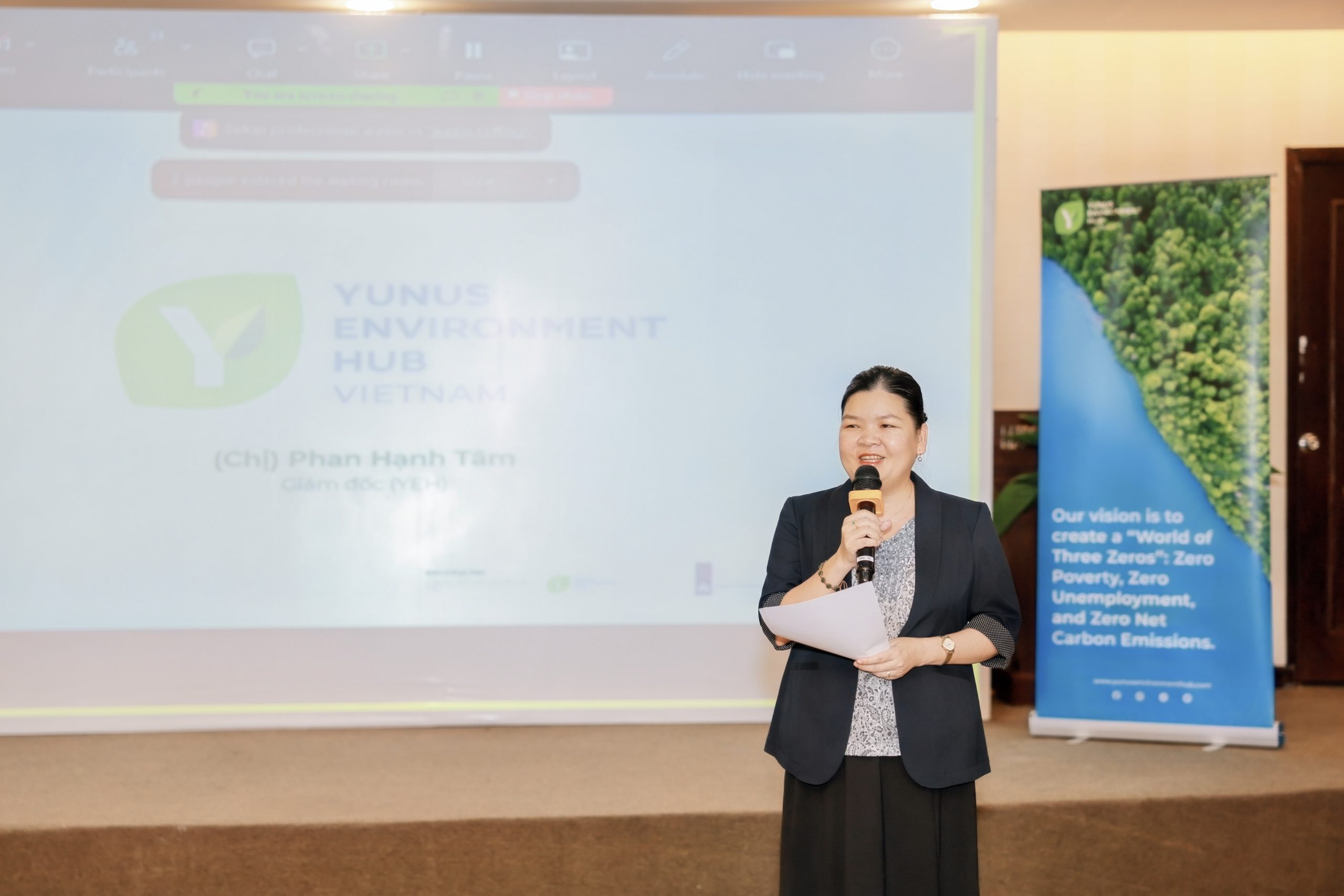
In her opening remarks, Ms. Phan Hanh Tam, Director of Yunus Environment Hub Viet Nam, representing the implementing partner, noted that each enterprise has its own starting point, resources and challenges. The programme therefore seeks to develop approaches tailored to the actual operational context of each participating business.
Ms. Hoang Thi Dieu Linh, Programme Officer for Waste Management and Circular Economy at UNDP Viet Nam, emphasized:
“Circular economy is no longer simply an emerging trend or an optional pathway. It is becoming an essential development direction for strengthening business competitiveness and enhancing the resilience of the economy.”
The core expert team supporting the Post-Training Programme includes Ms. Phan Hanh Tam; Mr. Ton That Hac Minh, expert on Sustainability and ESG Transformation; Mr. Tran Anh Tuan, expert on Strategy and Sustainable Innovation; Mr. Tran Hoai Son; and other wastewater treatment experts from the Institute of Environmental Science and Engineering.
Building on the baseline assessment conducted for each enterprise, the workshop guided participants in identifying hotspots related to resources, energy, water, waste and costs; analysing where value is currently being lost; identifying suitable opportunities; developing circular design strategies; preparing a Circular Business Model Canvas; and conducting an initial screening of feasibility.
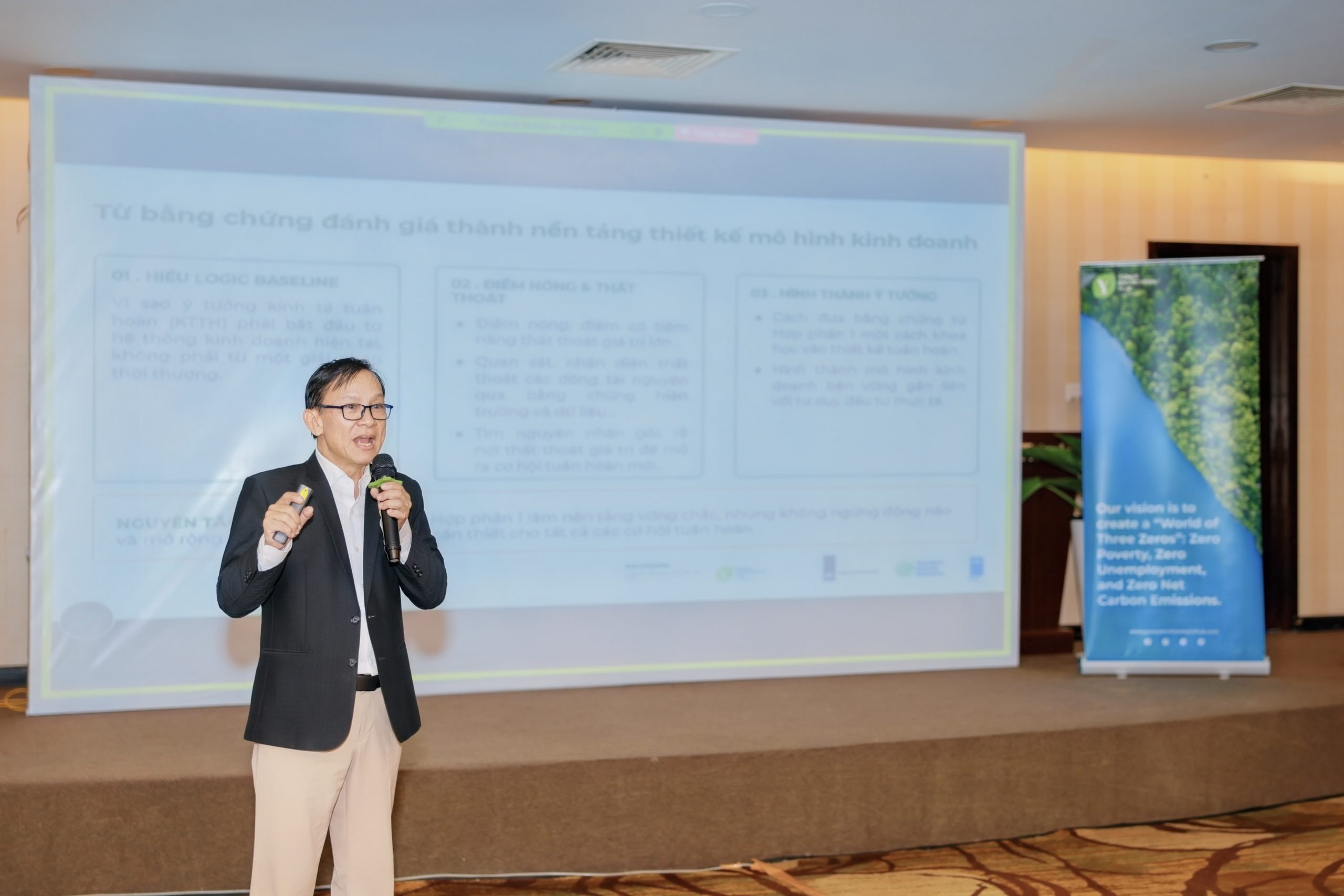
Mr. Ton That Hac Minh highlighted:
“A circular model needs to start with clear evidence: where value is being lost, why that loss occurs, and where the business has the potential to create additional value.”
In addition to environmental impacts, the programme places strong emphasis on the business rationale behind each proposed solution. As Mr. Tran Anh Tuan explained:
“A business model needs to clarify three fundamental elements: what value is created, how that value is delivered, and how the business captures value and generates revenue.”
This approach helps enterprises move beyond a “green” idea alone by ensuring they also identify their customers, partners, resources, costs, revenue streams and the evidence required to support implementation.
Eight enterprises put circular business tools into practice
The eight participating enterprises represent a diverse range of sectors. They include VTCos, operating in natural cosmetics and agricultural-based ingredients; Lac Dia Sustainable Agriculture Cooperative, working in sustainable agriculture; Lemit Foods, producing food from plant-based ingredients; Betrimex, active in agriculture with a focus on the production and processing of coconut products; Felix Mattress, a rubber mattress manufacturer; Hestia Fashion and Nani Store, operating in the fashion sector; and Donaruco, engaged in rubber cultivation and processing.
During the afternoon practical session, the enterprises worked with a 12-block Circular Business Model Canvas. Starting from an identified hotspot or area of value loss, each group developed an initial model covering customers, value propositions, channels, revenue streams, partners, activities, resources, costs, material flows and loops, intended impacts, and assumptions requiring further validation.
The groups exchanged feedback, refined their initial models and presented their ideas to receive comments from experts and fellow participating enterprises.
The experts then introduced a three-step process to help businesses develop data-driven circular opportunities: first, scoring and prioritising key hotspots; second, analysing the value being lost, its causes and scale; and third, proposing, assessing and selecting circular economy opportunities based on business value, environmental and social benefits, feasibility, and the additional data required for validation.
This methodology will continue to be applied during the upcoming in-depth advisory sessions, helping businesses test their assumptions and further refine their models.
Voices from participating enterprises
A representative of VTCOS/BIOQ shared that the company hopes to gain a deeper understanding of circular economy models so that it can apply them effectively, optimise resource use and support the company’s future development.
A representative of Lac Dia Sustainable Agriculture Cooperative shared:
“We joined the programme with a strong willingness to learn and gain technical knowledge from the experts so that we can address our key hotspots and, in doing so, create greater value for the business, the community and the environment.”
A representative of Nani Store also expressed the expectation that the programme would help the company correctly identify its key bottlenecks and select appropriate approaches to progressively improve its circular business model.
These perspectives demonstrate that enterprises are looking beyond knowledge acquisition alone. Their demand is increasingly focused on practical tools and methodologies that can be directly applied to real business operations.
Moving towards transition roadmaps and financial plans
Following Technical Workshop 1, the participating enterprises will take part in a series of in-depth one-on-one advisory sessions with the expert team to further develop their business models and assess their technical, economic, environmental and ESG feasibility.
The results will serve as key inputs for Technical Workshop 2, “Transition Roadmaps and Financial Planning,” scheduled for 25 August 2026.
The programme also aims to provide opportunities for promising models to be showcased at the Demo Day on 17 September 2026, during the World Circular Economy Forum 2026 (WCEF2026) in Gandhinagar, India.
Through a structured process moving from baseline assessment and hotspot identification to business model development and feasibility validation, ACE-Biz is supporting enterprises in translating circular economy knowledge into actionable pathways that respond to real market conditions and available business resources.